


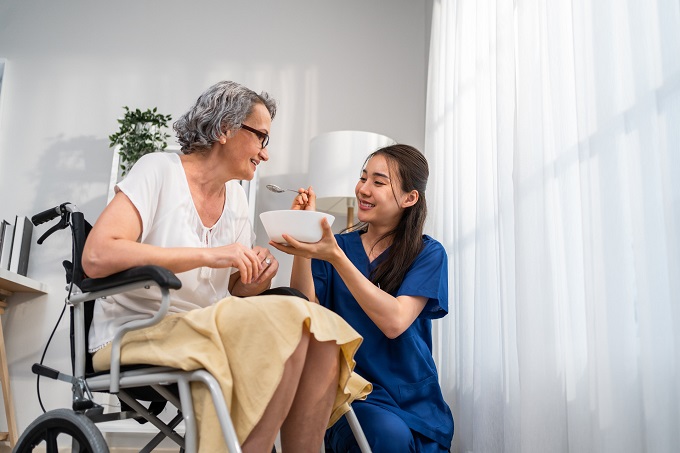
Daily activities like bathing, getting dressed, and moving around the house can become more difficult for your loved one over time. Having the right assistance can help them manage these routines while maintaining their comfort and independence at home.
You may notice your loved one taking longer to get ready or asking for help with activities they previously managed alone. These changes can happen gradually, and knowing what assistance is available can help you decide what might work best for them.
The right support should fit your loved one’s daily habits and preferences. Even when they need help with certain activities, they should still have a say in how their routines are managed.
At Buckeye Home Health Care, we understand how much familiar routines and personal independence matter. Our home health aide support focuses on helping your loved one with everyday activities while respecting their comfort, privacy, and individual care needs.
If your loved one could use assistance with everyday activities, you can explore our home health aide services to see what kind of help may fit their current needs.
1. Assistance With Bathing, Dressing, and Personal Hygiene
Personal care is one of the most common reasons your loved one may benefit from a home health aide.
Activities such as bathing, getting dressed, and grooming can take more effort as health or mobility needs change. Your loved one may appreciate having assistance with these tasks while continuing to do what they can independently.
A home health aide can provide personal care assistance based on your loved one’s needs and established care plan.
Maintaining familiar routines also matters. If your loved one prefers getting ready at a certain time or following a particular grooming routine, those preferences can be considered when planning their care.
2. Help With Moving Around the Home
Moving comfortably from one area of the home to another can become challenging when your loved one experiences changes in strength, balance, or mobility.
You may notice them taking longer to stand from a chair, needing assistance walking between rooms, or asking for help during everyday activities.
A home health aide may assist with mobility-related tasks according to the care plan and appropriate guidance. This can make it easier for your loved one to continue participating in their usual routines.
Mobility needs vary from person to person. Some activities may require help from a home health aide, while others may benefit from physical therapy or occupational therapy when recommended.
3. Support With Meals and Light Household Tasks
Preparing meals and keeping frequently used areas organized can become tiring when your loved one has changing care needs.
A home health aide may assist with basic meal preparation and light housekeeping tasks included in the care plan. This can help your loved one maintain familiar daily routines without having to manage every activity alone.
For example, your loved one may need assistance preparing a simple meal or keeping commonly used spaces tidy.
At Buckeye Home Health Care, we recognize that these everyday details can affect how comfortable your loved one feels at home. Our team considers their personal routines when discussing the assistance that may be appropriate.
The focus is on providing practical help that fits their needs rather than taking over activities they can still manage.

4. Medication Reminders and Basic Health Monitoring
Keeping up with medications and daily health routines may require additional attention, especially when your loved one has several care instructions to follow.
A home health aide may provide medication reminders and assist with basic health monitoring when these responsibilities are included in the care plan.
Medication reminders are different from medication administration. If your loved one needs medical procedures, medication administration, or more involved monitoring, skilled nursing may be appropriate.
A home health aide can help with personal routines, while nursing and therapy services address different needs. If your loved one may benefit from more than one type of assistance, you can talk with them about home health care services and which options may fit their situation.
Start by asking which daily activities they would like help with and which ones they prefer to manage independently. Their preferences can help you make decisions together while keeping their comfort and independence in mind.
5. Companionship and Encouragement Throughout the Day
Sometimes, having someone to talk with while completing daily activities can make receiving assistance feel more comfortable.
A home health aide may provide companionship through friendly conversation, encouragement, and respectful interaction during scheduled care.
Your loved one may enjoy talking about familiar interests or having someone nearby while going through their daily routine.
These interactions should respect your loved one’s personality and preferences. Some people enjoy conversation, while others prefer a quieter environment.
Companionship is one part of home health aide support, alongside the practical assistance outlined in the care plan.
Finding the Right Support for Your Loved One
Your loved one may need help with only a few daily activities, or their needs may change over time. What matters is understanding where assistance would be useful while respecting what they prefer to do independently.
At Buckeye Home Health Care, we work with you to understand your loved one’s needs and how our available services may fit their daily routine.
Before arranging care, consider discussing which activities have become more difficult, what kind of assistance your loved one would welcome, and whether their physician has recommended additional support.
Taking the Next Step
Getting help with everyday activities can be a practical way to support your loved one’s comfort and independence. You can begin by discussing the tasks they would appreciate assistance with and the routines they want to maintain.
If your loved one could use a helping hand with personal care or everyday routines, you can set an appointment so we can discuss the assistance they may need and help you explore available options.
Leave a Reply